









What are the medicinal uses of esculetin?
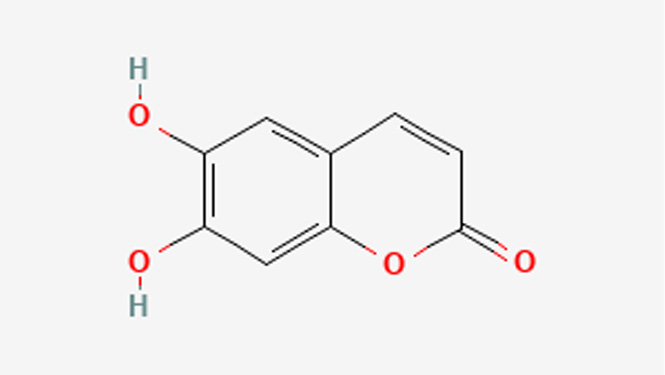
Esculetin (6,7-dihydroxycoumarin) from Kintainutri® is a premium naturally occurring coumarin derivative found in various plants, including the bark of Fraxinus chinensis (Chinese Ash), Artemisia montana, and chicory. For centuries, For centuries, traditional medicine systems have utilized plant extracts containing this potent compound. At Kintainutri®, we combine ancient wisdom with modern extraction technology to deliver pharmaceutical-grade esculetin with verified bioactive properties.
Potent Antioxidant and Anti-Inflammatory Agent
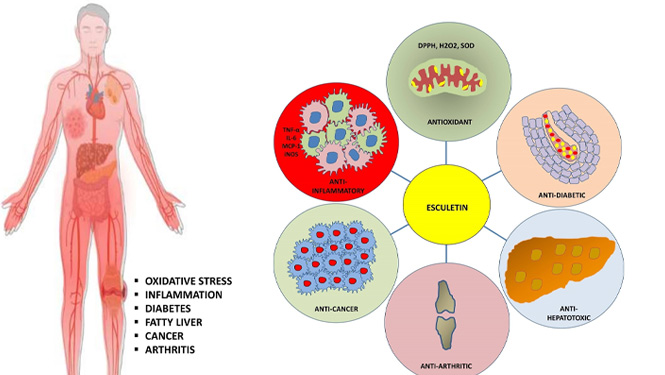
One of the most widely recognized esculetin medicinal uses stems from its strong Antioxidant and anti-inflammatory activities. Esculetin's chemical structure, particularly its hydroxyl groups, enables it to efficiently scavenge harmful free radicals, thereby protecting cells from oxidative stress. Oxidative stress is a key contributor to aging and the development of numerous chronic diseases. Beyond its antioxidant prowess, esculetin has been shown to modulate various inflammatory pathways, including the inhibition of NF-κB and MAPK signaling. This leads to a reduction in the production of pro-inflammatory cytokines such as TNF-α, IL-1β, and IL-6, which are involved in various inflammatory conditions like arthritis, colitis, and acute organ injuries.
Promising Anticancer Potential
A significant area of investigation for esculetin medicinal uses is its potential as an anticancer agent. Numerous in vitro and in vivo studies have demonstrated esculetin's ability to inhibit the proliferation of various cancer cell lines, including those from breast, colon, liver, gastric, lung, and prostate cancers, as well as leukemia. Its mechanisms of action against cancer are multifaceted and include:
Inducing Apoptosis: Promoting programmed cell death in cancer cells.
Cell Cycle Arrest: Halting the uncontrolled division of cancer cells.
Inhibiting Metastasis and Angiogenesis: Reducing the spread of cancer and the formation of new blood vessels that tumors need to grow.
Modulating Signaling Pathways: Interfering with pathways vital for cancer cell survival and growth, such as PI3K/Akt, MAPK, and STAT3.
While these findings are largely from preclinical research, they highlight the substantial potential of esculetin in cancer therapeutics.
Support for Cardiovascular Health
The esculetin medicinal uses also extend to cardiovascular health. Research suggests that esculetin may possess anticoagulant properties, similar to other coumarin derivatives like warfarin. It has been shown to inhibit the proliferation of vascular smooth muscle cells, a process implicated in conditions like atherosclerosis and restenosis (re-narrowing of blood vessels after treatment). Furthermore, its antioxidant and anti-inflammatory effects contribute to protecting the endothelial lining of blood vessels, which is crucial for maintaining cardiovascular integrity. These combined actions point to esculetin's potential in preventing and managing various cardiovascular disorders.
Benefits for Metabolic and Hepatic Disorders
Esculetin has demonstrated promising effects in mitigating metabolic disorders, particularly diabetes. Studies indicate its potential to reduce hyperglycemia-mediated oxidative stress in diabetic conditions and improve antioxidant competence in hepatic (liver) and renal (kidney) tissues. This suggests a role for esculetin in supporting healthy glucose metabolism and protecting organs from diabetes-related complications. Additionally, esculetin exhibits hepatoprotective properties, meaning it can help protect the liver from various forms of injury, often attributed to its antioxidant and anti-inflammatory actions. Its potential to reduce liver fibrosis also adds to its significant medicinal applications.
Neuroprotective and Other Emerging Applications
Beyond these primary areas, esculetin medicinal uses are being explored for its neuroprotective effects, showing potential to protect brain cells from oxidative stress and inflammation, relevant for neurodegenerative diseases. It has also shown promise as an antimicrobial agent against certain bacteria and fungi, and its traditional use as an expectorant and antitussive (cough suppressant) highlights its broader applications in respiratory health. Its potential to alleviate pain and contribute to anti-arthritic effects further showcases the wide-ranging therapeutic activities of this remarkable natural compound.
Conclusion
In conclusion, esculetin is a versatile coumarin with a compelling array of esculetin medicinal uses. Its potent antioxidant, anti-inflammatory, and anticancer properties are at the forefront of current research, alongside its benefits for cardiovascular, metabolic, and hepatic health. As scientific understanding continues to expand, esculetin stands out as a promising natural compound with significant therapeutic potential, making it a valuable raw material for innovative health products globally.